Key Takeaways
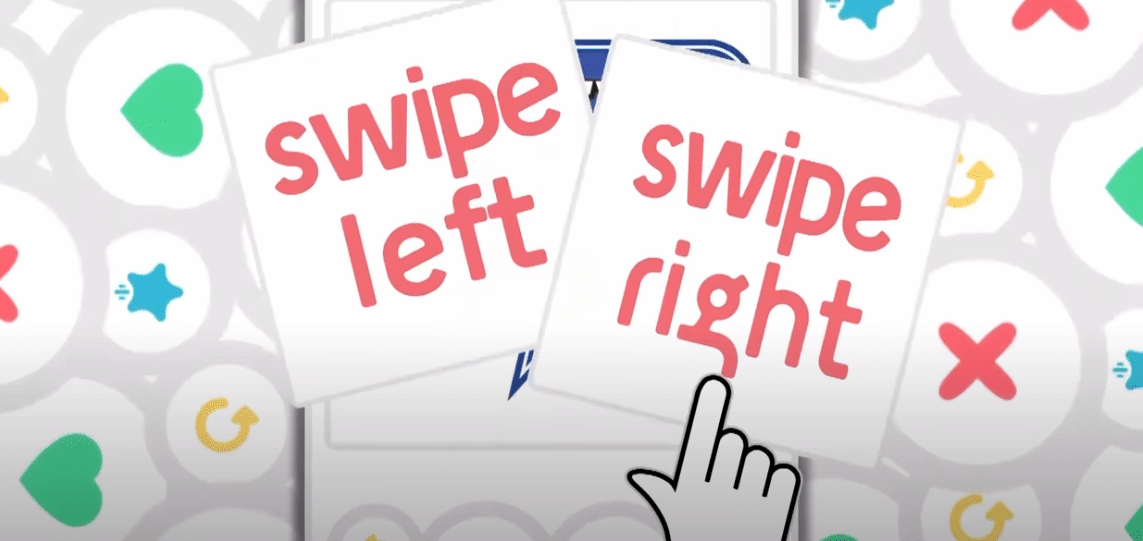
- Most B2B teams still run swipe-right style outreach: big generic lists, one or two touches, and then they move on, even though the average B2B conversion now takes around 8 meaningful touchpoints, and enterprise deals often need 12-15 across channels.
- If your reps are blasting templates instead of sending tailored, insight-driven messages, you're leaving money on the table, 76% of B2B buyers say they're more likely to respond to emails with personalized insights that show real understanding.
- Cold email has gotten tougher: average reply rates hover around 5% in 2025 while top performers see 12-15%+ replies and 6-8% meeting rates, driven by smaller, hyper-targeted campaigns instead of mass blasts.
- Most deals require persistence: roughly 80% of sales happen after 5-12 follow-ups, but 92% of reps give up by the fourth attempt, meaning your team is probably quitting just before prospects would have engaged.
- Dirty data fuels Tinder-style behavior: inside reps waste about 27% of their time wrestling with inaccurate CRM records, which drives superficial outreach and skipped research instead of thoughtful, account-based engagement.
- Modern buyers expect digital-first but human outreach, 80% of B2B interactions are happening in digital channels by 2025, yet buyers still reward reps who bring genuine insight, relevance, and context to each touch.
- The bottom line: treat prospects like long-term relationships, not swipe-able profiles, tighten your ICP, clean your lists, design 8-15 touch multi-channel cadences, and use tools like SalesHive's AI-powered eMod to personalize at scale without burning SDRs out.
When Your Pipeline Starts Feeling Like a Dating App
A lot of B2B lead generation has quietly turned into a dating-app workflow: reps scroll huge lists, send the same opener to everyone, and move on the moment they don’t get an instant hit. It feels productive because activity is high, but it’s shallow by design. If your outbound program looks like “swipe, template, ghost,” you’re not building pipeline—you’re burning opportunities.
This approach clashes with how buying actually works now. By 2025, 80% of B2B sales interactions are happening in digital channels, which raises the bar for relevance because buyers are flooded with messages. In a crowded inbox, generic outreach doesn’t get “considered later”—it gets filtered, ignored, or sent to spam.
In this article, we’ll show how to shift your SDRs from swipe-style prospecting to relationship-first execution. That means tighter targeting, deeper context, and structured persistence across email, phone, and (when it makes sense) LinkedIn. It’s the difference between random outbound noise and a predictable outbound engine that reliably books meetings your AEs actually want.
Why “Swipe-and-Pray” Outbound Costs Real Revenue
Swipe-style outreach usually shows up as three behaviors: massive generic lists, low-effort openers, and quitting after one or two touches. The first mistake is confusing volume with coverage—blasting thousands of contacts without real segmentation is the outbound equivalent of swiping right on everyone. You get a few accidental wins, but you also tank reply rates, damage your domain reputation, and train your team to avoid research because “there’s always another list.”
The second mistake is relying on introductions that say nothing. Buyers don’t reward “hope you’re well” emails that could be sent to any company on earth; they reward messages that prove you understand their role, their priorities, and what changed in their world. When you skip that step, your team isn’t just losing replies—they’re losing trust, which makes cold calling services and cold email agency campaigns harder over time.
The third mistake is giving up too early. Roughly 80% of sales happen after 5–12 follow-ups, yet 92% of reps stop by the fourth attempt, which means many teams are quitting right before prospects would have engaged. If you run a b2b sales agency motion—or manage an in-house SDR agency-style team—this is where pipeline silently dies: not because the market is “tough,” but because the cadence is incomplete.
What Digital-First Buyers Expect in 2025
Digital-first doesn’t mean robot-first; it means buyers want to self-educate quickly and then talk to someone who adds clarity. Gartner’s view that 80% of interactions are shifting digital is matched by a growing preference for human-led experiences in complex deals, where nuance matters. The best outbound sales agency teams design touches that are easy to consume digitally, but still feel like a thoughtful person is reaching out—not an automation tool.
Personalization is now a buying requirement, not a “nice to have.” Data shows 77% of B2B buyers won’t purchase without personalized content, and 76% are more likely to respond when outreach includes personalized insights. The practical takeaway is simple: if your team is blasting templates instead of leading with relevant insight, you’re paying SDR salaries to produce delete-worthy messages.
Finally, modern journeys are multi-touch and multi-channel by default. Benchmarks show many B2B conversions require around 8+ meaningful touchpoints, and enterprise deals often need 12–15 across channels. If your process treats “no reply after two emails” as a dead lead, you’re not being efficient—you’re ignoring how buyers make decisions.
Build an 8–15 Touch, Multi-Channel Cadence That Feels Human
A relationship-first cadence is built around purposeful touches, not “check-ins.” We recommend planning for 8–10 touches for mid-market and 12–15 for enterprise, spread across email, calls, and selective LinkedIn outreach services when the persona is active there. The goal is to create familiarity and credibility over time, so the prospect feels like you understand their environment—not like you’re chasing a quota.
Channel mixing is where most teams either win or waste effort. Email carries insight well, b2b cold calling services create speed and clarity, and LinkedIn can add lightweight social proof—especially when you’re multi-threading. Companies using 3+ channels have been shown to drive about 30% higher conversion than single-channel outreach, which is why a modern sdr agency playbook can’t be “email-only” anymore.
To keep execution honest, we like putting your benchmarks in one place so reps know what “good” looks like and leaders don’t overreact to normal variance. A clean cadence should be judged by consistent completion and steady improvement, not by one day of replies.
| Outbound benchmark | Typical range (2025) |
|---|---|
| Cold email reply rate | Average ~5%; top teams 12–15%+ |
| Meeting rate from email-led campaigns | Top teams often 6–8% |
| Meaningful touches to conversion | Average ~8+; enterprise 12–15 |
If your first touch could be sent to any company, it will be ignored by every company.
Personalization Without Burnout (and How We Scale It)
Most teams fail at personalization in one of two ways: they don’t personalize at all, or they demand so much research that SDRs collapse under the workload. The fix is to standardize what “good personalization” means—one specific trigger, one relevant insight, and one clear next step—so reps can execute consistently. You’re aiming for repeatable relevance, not one-off brilliance.
At SalesHive, we build personalization into the system, not the heroics of individual reps. Our eMod AI personalization engine turns proven templates into customized cold emails using public data and role context, so teams can raise quality without slowing down. That matters whether you’re hiring internally or using sales outsourcing, because the bottleneck is rarely “effort”—it’s the inability to scale relevance.
This is also where a modern cold calling agency approach beats a “call center” mindset. A cold calling team should be equipped with the same context as the email channel so calls feel informed and consistent with the narrative in the inbox. When phone and email reinforce each other, you stop sounding like a rotating set of strangers and start sounding like a single, credible point of view.
Data, Deliverability, and the Hidden Ops Problems Behind Ghosting
Swipe-style behavior is often a symptom of bad infrastructure. When data is unreliable, reps stop trusting the CRM and stop investing in depth, because every record feels risky. Research estimates poor data quality costs companies about $15M per year, and inside reps can waste roughly 27% of their time fighting inaccurate records—around 546 hours per rep, per year.
Dirty data doesn’t just waste time; it creates the conditions for low-effort outreach. If job titles are wrong, industries are mismatched, or domains are outdated, your “personalized” message becomes accidentally irrelevant, and deliverability suffers when bounce rates spike. That’s why list building services and list hygiene are not back-office chores—they are the foundation of your outbound sales agency results.
Operationally, the fix is to treat data and deliverability like revenue infrastructure. Clean and refresh lists before launch, enforce basic field standards (role, segment, trigger, channel eligibility), and monitor domain health so your cold email agency motion can actually reach inboxes. When that groundwork is in place, reps can focus on the craft: insight, timing, and persistence.
Measure What Matters: Meetings, Quality, and Conversion by Segment
Most outbound programs get managed into mediocrity by the wrong metrics. Counting raw dials, total emails sent, or “tasks completed” encourages reps to swipe faster, not sell better. The metrics that actually move pipeline are: completed cadences, reply quality, meeting rate, show rate, and conversion to qualified opportunity by segment.
Segmentation is the fastest way to make those metrics actionable. Your SMB motion should not be judged by enterprise benchmarks, and your enterprise motion shouldn’t be forced into SMB speed. When you split performance by segment and persona, you can see where b2b cold calling is working, where email copy needs new angles, and where your sequence length is too short for the deal size.
This is also how you avoid junk meetings that AEs hate. If you track “meeting held” but ignore whether it was in-ICP and progressed, reps will optimize for calendar fills, not pipeline. If your organization prefers pay per meeting lead generation models, set quality gates up front so the incentive structure doesn’t recreate Tinder-style behavior under a different name.
Advanced Optimization: Multi-Threading, Message Testing, and Timing
Once the fundamentals are solid, the biggest gains come from multi-threading and systematic testing. Multi-threading means reaching multiple stakeholders with tailored angles, not forwarding the same note to three people. It’s especially effective in enterprise, where consensus and risk reduction drive decision-making more than excitement about features.
Testing should be disciplined, not chaotic. Change one variable at a time—targeting, subject line, opener, CTA, or channel mix—and give it enough volume to be meaningful. When teams do this well, they stop debating opinions and start compounding learnings, which is exactly how top cold calling companies and sales development agency teams stay ahead as inbox competition increases.
Timing matters, but consistency matters more. A strong cadence wins because it shows up repeatedly with new value, not because it “caught someone on the perfect day.” If your team is doing outsource sales or managing an outsourced sales team, this is where process quality becomes your moat: good reps are great, but great systems make good reps consistent.
Next Steps: Turn Swipe Behavior Into a Relationship-First Outbound Engine
If your reps are treating prospects like profiles, start by tightening the ICP and narrowing the list—quality improves faster than people expect when you stop chasing “anyone who could buy.” Then rebuild the cadence to reflect reality: 8+ meaningful touches for most B2B motions, and 12–15 for enterprise, across multiple channels. The point is not to pester prospects; it’s to stay present long enough for timing and priorities to align.
From there, standardize personalization so it’s doable at scale. Require one insight-driven line that proves relevance, and support it with tools and data that make it fast rather than exhausting. That’s where the right b2b sales agency partner can accelerate outcomes: consistent process, clean lists, strong deliverability, and trained SDR execution across email and cold call services.
At SalesHive, we’ve built this relationship-first system since 2016, booking more than 100,000 meetings for 1,500+ clients with multi-channel cadences, custom list building, and SDR teams based in the US and the Philippines. If you’re evaluating sales outsourcing, hire SDRs internally, or want a hybrid approach, the goal stays the same: stop swiping, start building real buying conversations, and turn outbound into a steady source of high-intent pipeline.
Sources
- Gartner (Digital B2B interactions)
- Gartner (Human interaction preference)
- Optif.ai (Cold email benchmarks)
- Optif.ai (Touches to conversion, multi-channel impact)
- Jobera (B2B personalization statistics)
- WinSavvy (Personalized insights and response likelihood)
- Instapage (Non-personalized email response behavior)
- Thunderbit (Follow-up and persistence statistics)
- Plauti (Cost of poor data quality)
- Fullcast (Time lost to bad CRM data)
- Instantly.ai (Touchpoints before a sale)
Partner with SalesHive
On the execution side, SalesHive offers both US-based and Philippines-based SDR teams, giving you flexibility on cost and complexity while keeping quality high. Every SDR runs structured cadences across phone, email, and (where appropriate) LinkedIn, with daily activity measured in meaningful touches-not just sheer volume. Under the hood, SalesHive’s eMod AI personalization engine transforms proven templates into highly customized cold emails for every prospect, using public data and role context to triple response rates without demanding hours of manual research from your team. Layer in custom list building, deliverability management, and month-to-month, risk-free onboarding, and you get an outbound program that stops treating prospects like Tinder profiles and starts generating consistent, high-intent meetings that your AEs actually want to attend.